LGSF house construction: advantages and disadvantages
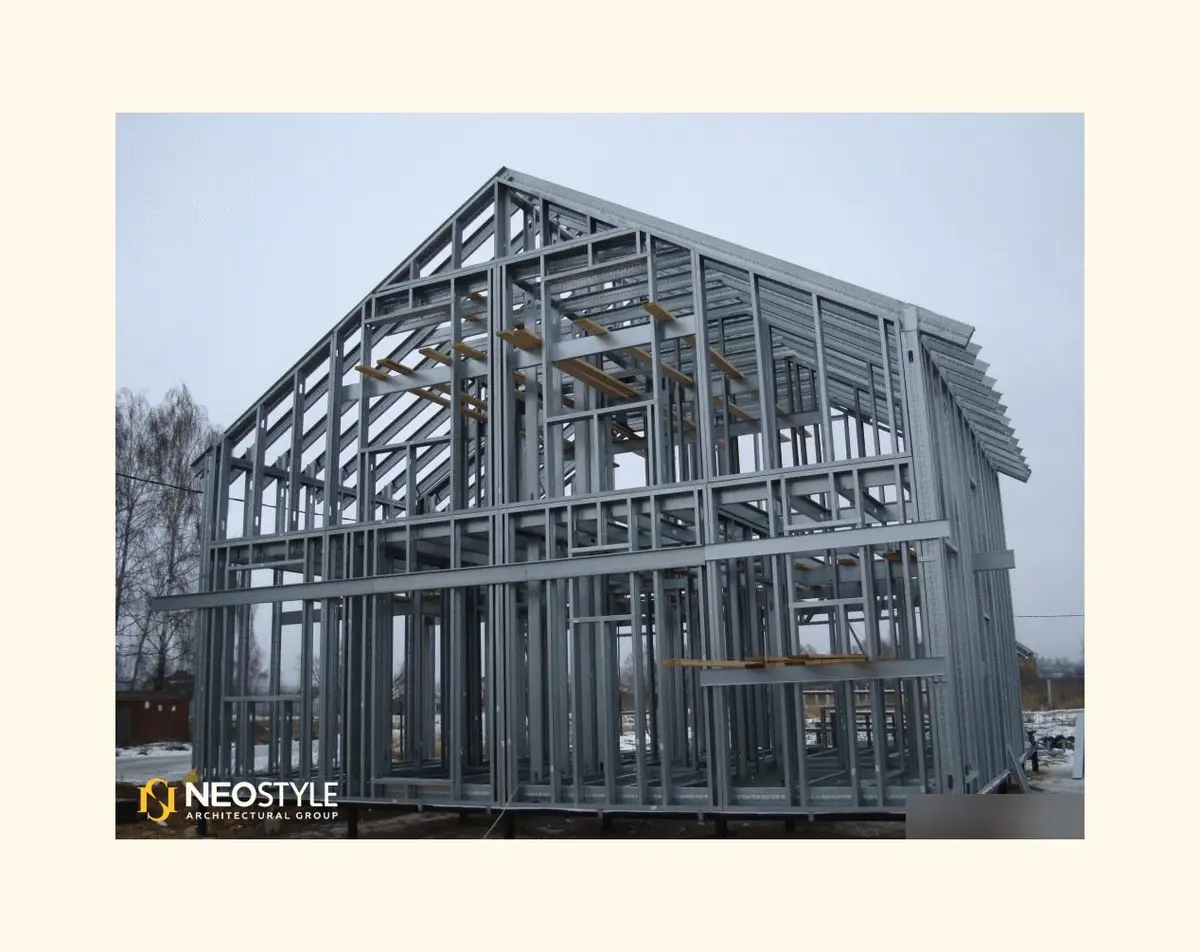
LGSF (light gauge steel framing) is a modern technology for constructing prefabricated buildings from galvanized steel profiles and panels. This technology emerged in the 50s of the 20th century in Canada and has since become widespread in many countries worldwide. In Russia, however, the construction of LGSF houses began only in 1990 and has not yet gained a leading position in the low-rise private housing market. What are the advantages and disadvantages of this technology?
Advantages of LGSF house construction:
Speed and ease of erection
Building an LGSF house does not require a foundation, as the structure is lightweight and distributes the load evenly across the entire area. In addition, all structural elements are prefabricated at the factory according to a custom design and delivered to the site ready for assembly. Assembling an LGSF house can take from several days to a few weeks, depending on the size and complexity of the project.
Cost-efficiency
The cost of an LGSF house is lower than that of houses built from other materials, as it requires fewer expenses for materials, transportation, and labor. In addition, an LGSF house offers good thermal insulation and does not require extra insulation, which reduces heating costs.
Strength and durability
An LGSF house is resistant to atmospheric phenomena such as wind, snow, rain, and hail. Galvanized steel is not subject to corrosion, rotting, combustion, or the harmful effects of biological factors like rodents, insects, or mold. The service life of an LGSF house can reach 100 years with proper maintenance.
Eco-friendliness
An LGSF house does not emit harmful substances into the environment and does not generate electromagnetic fields. The materials used in LGSF construction are fully recyclable and reusable.
Disadvantages of LGSF house construction:
Lack of regulations and standards
In Russia, there are still no unified norms and standards for the design and construction of LGSF houses. This creates difficulties in obtaining permits, approvals, and expert evaluations. Furthermore, the lack of quality control can lead to unscrupulous contractors who use substandard materials or violate construction technologies.
Complexity of repairs and remodeling
An LGSF house has a rigid structure that does not allow for easy layout changes or renovations. Any interference with the framework can compromise its integrity and stability. Therefore, repairing or remodeling an LGSF house requires consulting specialists, which increases costs and time.
Low sound insulation
An LGSF house has low sound insulation, as steel profiles and panels transmit sound waves. This can cause discomfort for residents, especially if there are noisy sources nearby, such as a road, an airport, or an industrial facility.
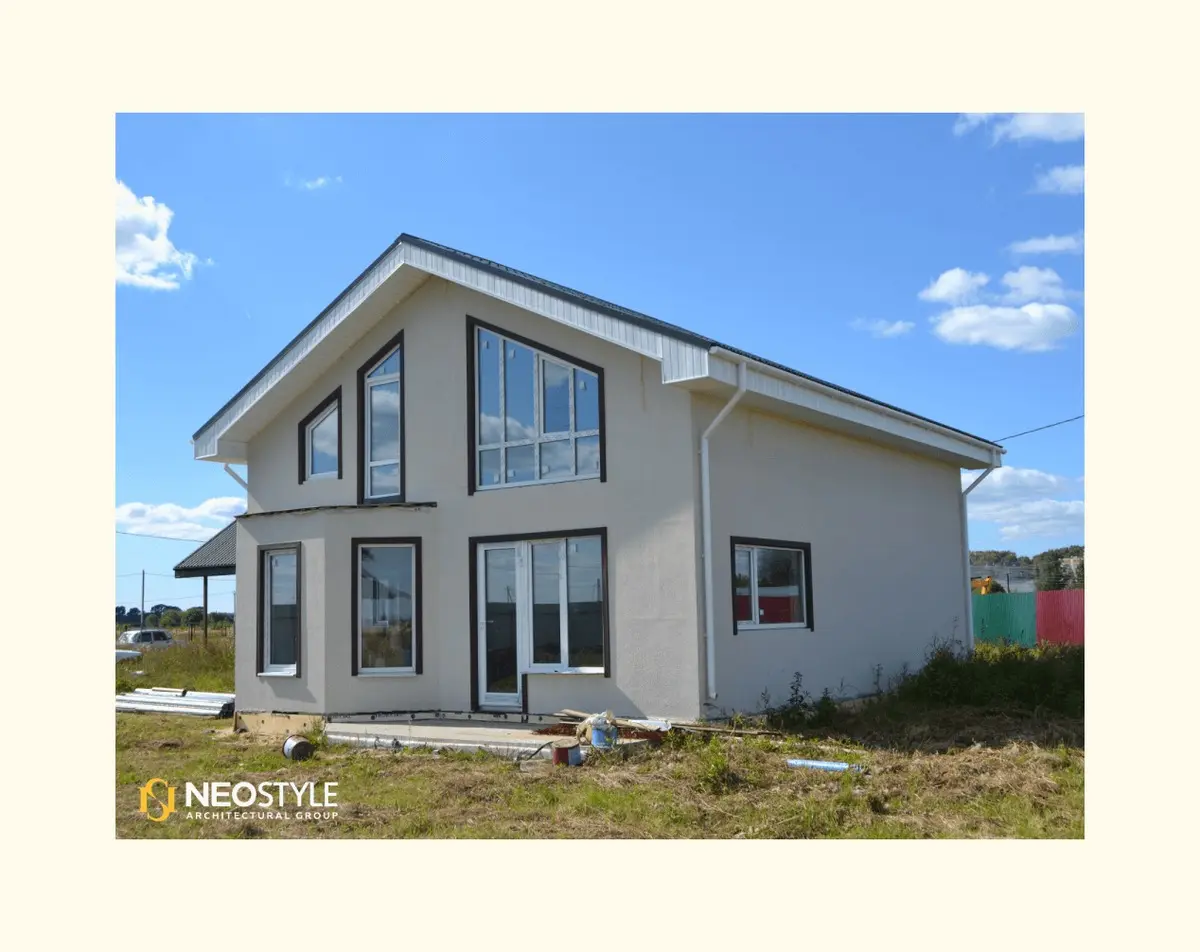
Conclusion: LGSF house construction is a modern and promising technology that offers several advantages, such as speed and ease of erection, cost-efficiency, strength and durability, and eco-friendliness.
However, this technology also has certain disadvantages, such as the lack of regulations and standards, the complexity of repairs and remodeling, and low sound insulation.
Therefore, when choosing this technology to build your home, it is essential to consider all these factors and turn to verified, qualified builders.
projects
Single-story houses
Two-story houses
Houses with an attic
Flat-roof houses
contact
Ask a question about the project
contacts