Attic insulation: materials and process nuances
The process depends on the roofing material and insulation. If the roof is made of metal tiles or corrugated sheets, mineral wool or expanded polystyrene can be used. If the roof is made of slate, it is better to use cellulose insulation or polystyrene foam. When insulating an attic from the inside, ventilation and vapor barrier must be taken into account. Ventilation gaps must be clear to ensure air circulation and prevent moisture condensation on the insulation.
When insulating an attic from the inside, the following materials can be used:
- mineral wool;
- expanded polystyrene;
- cellulose insulation (ecowool);
- polystyrene foam.
Let's look at the pros and cons of each material individually.
Mineral Wool
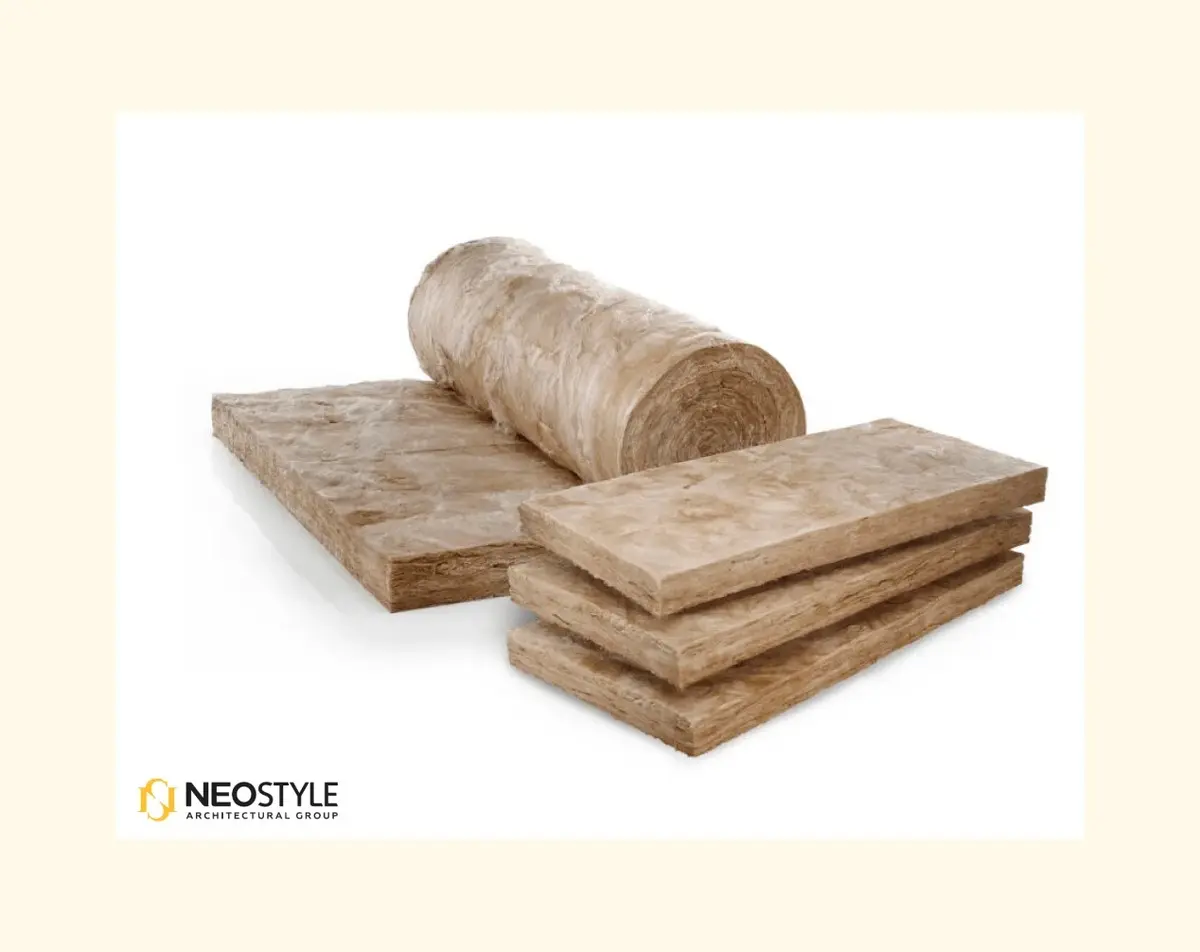
This is one of the most popular materials for attic insulation. Its main advantage is that it is non-combustible and does not support burning. In addition, it does not absorb moisture and is not prone to rot. However, mineral wool has its drawbacks. It is not an eco-friendly material and can cause allergic reactions in humans¹.
Also, when installing mineral wool in the attic, the following nuances should be considered:
When laying mineral wool between beams or battens over a membrane, the average thickness of the mineral wool layer should be 10-15 cm¹.
Before laying the mineral wool, make sure that the surface is cleaned of any dirt and dust accumulation.
Expanded Polystyrene
Also a very popular material for attic insulation. However, it has several advantages and disadvantages.
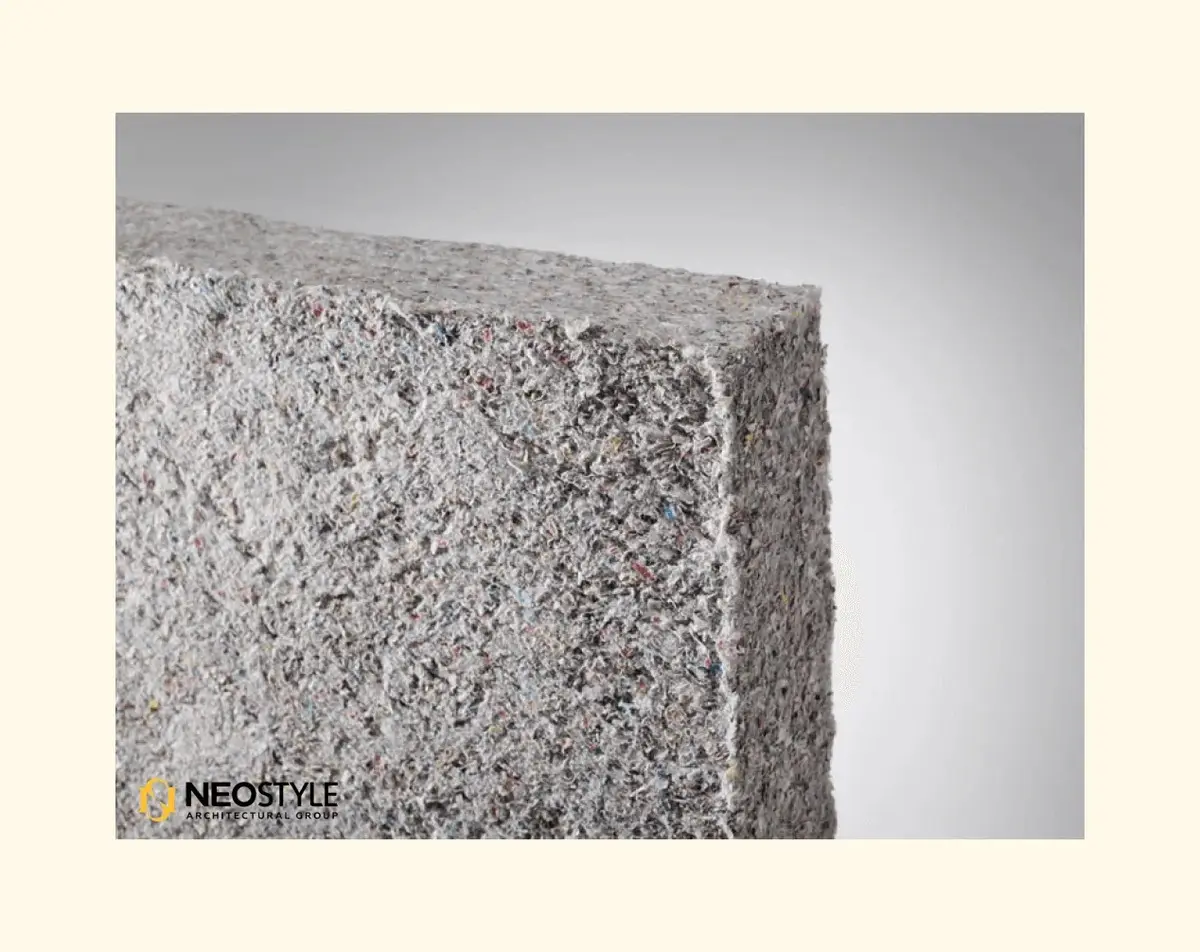
Pros:
- Light weight. Expanded polystyrene does not place a heavy load on load-bearing structures and the foundation.
- Good thermal insulation. Expanded polystyrene has high thermal insulation properties.
- Affordability. Expanded polystyrene is one of the most cost-effective materials for roof insulation.
Cons:
- Susceptibility to moisture. Expanded polystyrene is not a hydrophobic material and can absorb moisture.
- Low strength. Expanded polystyrene can be easily damaged by mechanical impact.
- Flammability. Expanded polystyrene is a combustible material and can support combustion.
Cellulose Insulation (Ecowool)
If environmental friendliness plays an important role in attic insulation for you, consider cellulose insulation. This is the safest option on the list.
It also allows for insulating the attic using various technologies. However, despite the apparent simplicity of seamless installation with cellulose insulation, it is quite complex and labor-intensive. If you lack sufficient expertise, it is better to delegate the insulation process to professionals with extensive experience and skill. Otherwise, you may have to redo it later and spend money on additional supplies.
Environmental safety. Cellulose insulation contains no harmful substances and does not emit toxic fumes.
Good thermal insulation. Cellulose insulation has high thermal insulation capacity.
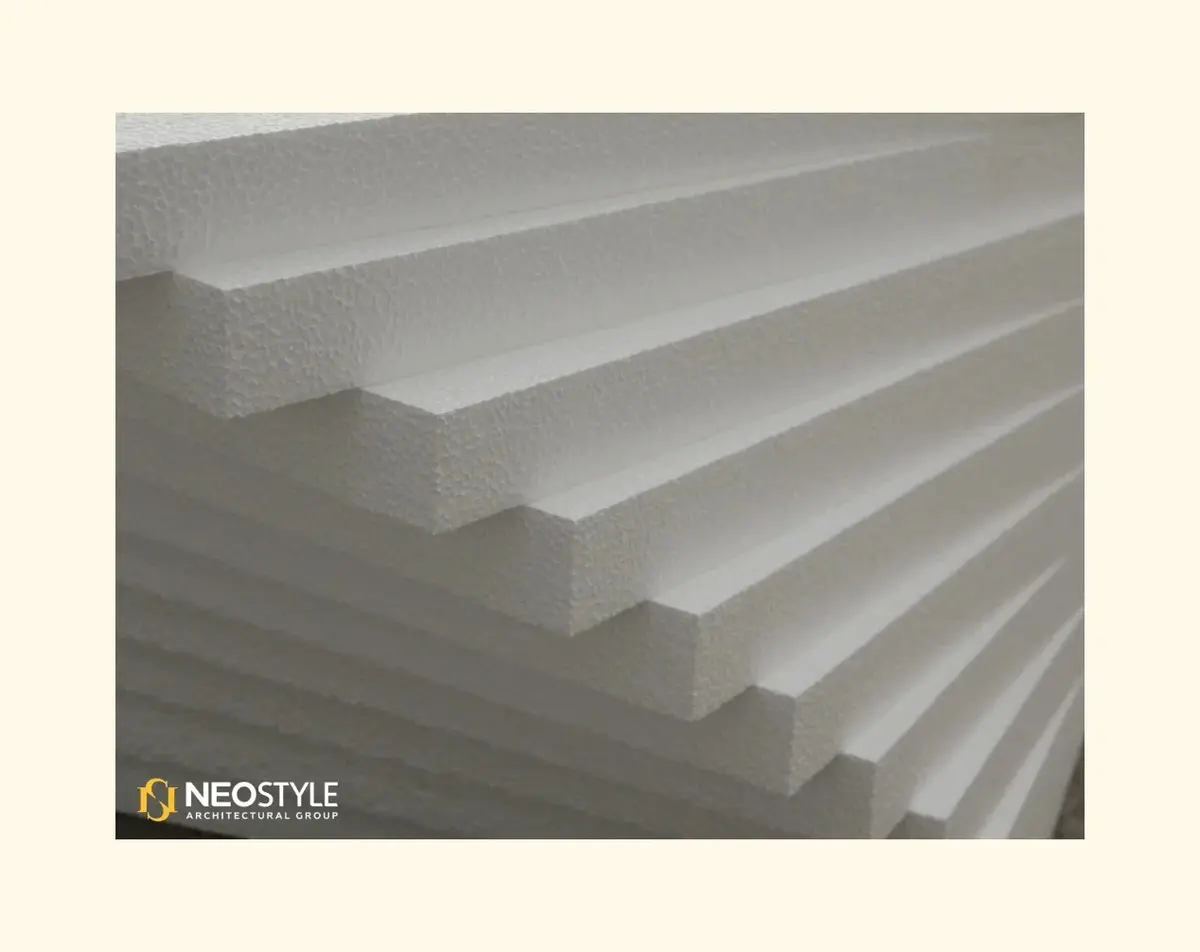
Vapor permeability. Cellulose insulation allows the roof to "breathe", preventing condensation.
Resistance to rot and mold. Cellulose insulation is not prone to rot and mold.
High cost. Cellulose insulation is a more expensive roof insulation material compared to others.
Low strength. Cellulose insulation can be easily damaged by mechanical impact.
Polystyrene Foam
Polystyrene foam is one of the most popular materials for roof and attic insulation. It has several advantages and disadvantages¹.
- Light weight. Polystyrene foam does not place a heavy load on load-bearing structures and the foundation.
- Good thermal insulation. Polystyrene foam has high thermal insulation properties.
- Low cost. Polystyrene foam is one of the most affordable materials for roof and attic insulation.
- Low strength. Polystyrene foam can be easily damaged by mechanical impact.
- Low vapor permeability. Polystyrene foam does not allow the roof to "breathe", which can lead to condensation.
- Low environmental safety. Polystyrene foam contains harmful substances and emits toxic fumes.
projects
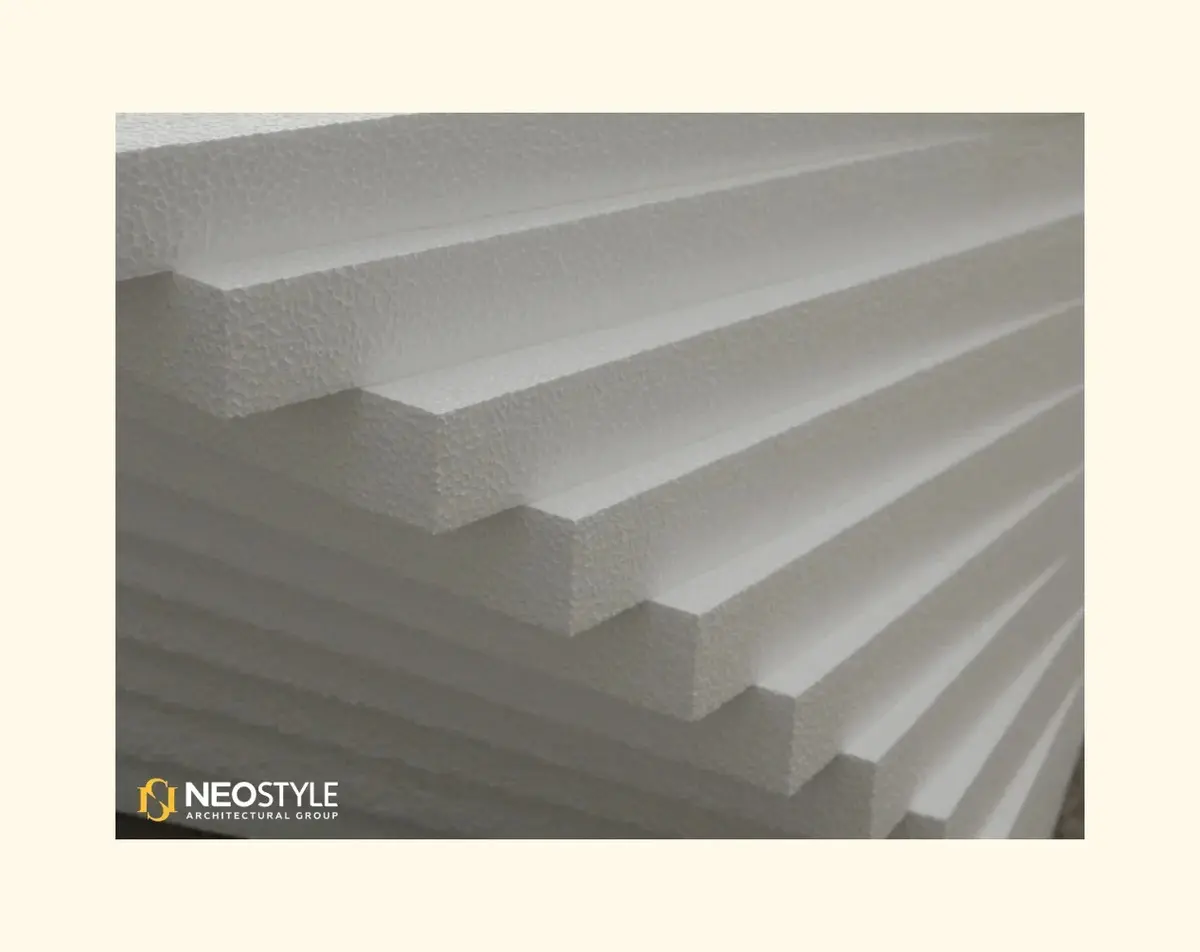
Single-story houses
Two-story houses
Houses with an attic
Flat-roof houses
contact
Ask a question about the project
contacts